Educational theory

I sent a letter to TED.org really early this morning asking if they have any internships available. They’d be a perfect fit for me, and I for them, I’m convinced.

After I sent the message, I started to think about education again, because I had linked to a couple of my favorite articles in the message.

These articles are The Case for Working With Your Hands and End the University As We Know It, the first from New York Times Magazine and the second an op-ed contribution to The New York Times.

They, along with this very popular lecture on TED.org about education, represent my current philosophy on the topic.

That philosophy:

  • the current system of western education—the system the entire world is modeling—does not address real-world problems.
  • the current system does not fulfill people’s need to do physical things and to see a result of their work.
  • the current system stifles creativity by penalizing the “mistakes” and “failures” that are part of the creative process
  • The current system places the most importance on those areas of study that assist a move toward industrialization, a phase which we have largely passed.

I’m sure I haven’t compressed all the arguments in these two writings and one 17-minute speech, but these are the primary ones. And I haven’t touched on the solutions these men propose, which, albeit vague at times, are nonetheless present. Hey—it’s better than remaining where we are today.

I read an article (although I can’t find it anymore) that said despite all the hype of rising powers like China and India, America will still triumph in the 21st century because of the freedom it allows for creativity. My opinion? We may allow creative freedoms in our marketplace, but our people are being steered down wrong paths to begin with, and that’s severely limiting our creativity as a whole, before we even leave the starting gates.

And the Pursuit of Happiness review

What a name for a blog, And the Pursuit of Happiness.

The blog’s beautiful, but it’s not really a blog. It’s a place that, once a month, displays a new piece of written and visual art—created by author and illustrator of children’s books Maira Kalman. It was one of the most popular items on New York Times‘ website recently, which is how I found it.

Here’s another thing the blog isn’t: it isn’t focused on people pursuing happiness. Its name is more a reference to its decidedly American focus, and also its storyline that there is happiness here, despite the myriad and potentially devastating problems inherent in our system.

I like Kalman a lot. She acknowledges the problems, but lets the columnists deal with them. She’s resolved her little corner of the Times is gonna be about the good people are doing and trying to do. It’s not reckless promotion but, rather, she realizes that sometimes journalism means telling, simply, the happiness people have and bring to others. Kalman’s a good journalist.

Continue reading

Writing for interaction

Spotted a story yesterday about the rise of (and grand question about) the cupcake boutique on the New York Times site, and I had to check it out.

I’m sharing it with you not just because cupcakes generate more saliva than I have fluid in my body, but because there’s a really interesting paragraph that reads like a blog. Even though the story appears in the Small Business section (at least that’s their header):

“Cupcake stores are taking the place of ice cream stores,” said Adam Borden, whose Baltimore-based venture capital firm, Bradmer Foods, specializes in food-focused enterprises. “Cupcakes aren’t seasonal like ice cream, and they appeal to people who want the authentic experience. They have an allure based on nostalgia.”

All of which suggests a couple of questions: How many cupcakes do you have to sell to pay the rent? And are cupcakes a viable business? These are still very early days in the Great Cupcake Rush, but the answers appear to be, respectively, a lot and maybe. (What do you think? Click HERE to leave a comment.)

I like it. It recognizes that readers expect to have interactivity built into the text they read, and they are becoming more and more comfortable with writers acknowledging that interactivity, rather than what I call “playing dumb.” That’s where the story is written as if for a printed page, but oops, there’s something we could link to there. Let’s slap some HTML underneath to appease the surfers. Well you didn’t appease me. You just made me wonder, for a split second, why this word was underlined and in a different color.

Even though I’m the first generation to literally grow up with the Internet, I still trip up with that. So I don’t think it’s a generational thing; people will continue tripping up over writers’ “playing dumb.” Thus, they shouldn’t be told they have to by silly, out-of-touch editors. Nice job New York Times Small Business section.

But wait, isn’t there someone who’d been writing casually and “to” the interactivity for a while now? Yes. Political reporters Mick Dumke and Ben Joravsky, at the Chicago Reader.

Joravsky’s column last week was mostly journalism, but written in a casual tone. People don’t read it for his opinion, they read it for the journalism. And for the directions on how to see where their money is going, if not what it’s being spent on.

Jeffrey Hollender on Toyota

13782289-566x849The Toyota Corolla, a highly popular car in the U.S. (Jupiter Images photo)

I’m into corporate responsibility in case you haven’t noticed. (I was recently approached by someone wanting me to join a pyramid scheme. It was so laughable I wrote a satire piece about it. I’ll let you know when it’s published.)

One of the biggest proponents of this is Jeffrey Hollender, the CEO of the cleaning-products company Seventh Generation.

I looked into his recent blog posts because I noticed something about Toyota’s CEO in the Seventh Generation newsletter. Hollender, referencing a New York Times article, said it’s about time leaders of a corporation really owned up to their mistakes instead of denying blatant facts and blameshifting, like GM often does. (Ever seen Who Killed the Electric Car? It’s free at that link.)

Continue reading

Who are these corrupt scientists? Leachates nearly unavoidable

Glad uncut

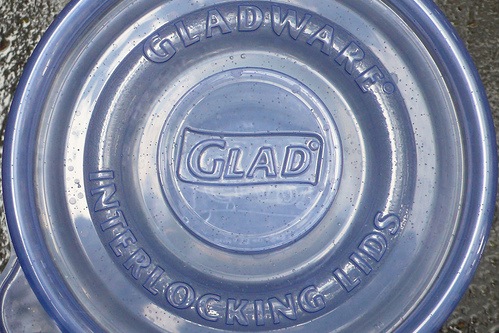
Gladware, the type of food storage I have at home. I’ve heard soft plastics are more prone to have dangerous leachates, and this stuff is as soft as you get. (Creative Commons-licensed photo from Timothy Valentine’s Flickr account)

Nick Kristof’s column Saturday dealt with Bisphenol-A, the chemical lots of people are worried about because, hey, who knows whether it’s dangerous. Some scientists have done studies saying it is; other scientists, funded by companies that use BPA, say it’s not.

Oh no, who to believe?

I think the real story here is that so many corrupt scientists are still working. Who can live with themselves after doing “research” for corporations that concludes unsafe products are safe? Don’t they take the equivalent of the Hippocratic oath when they become scientists? Is there an effort to put something like it in place? Or are these people taught to worship money?

Continue reading

World’s biggest egotrip

0905091857-00

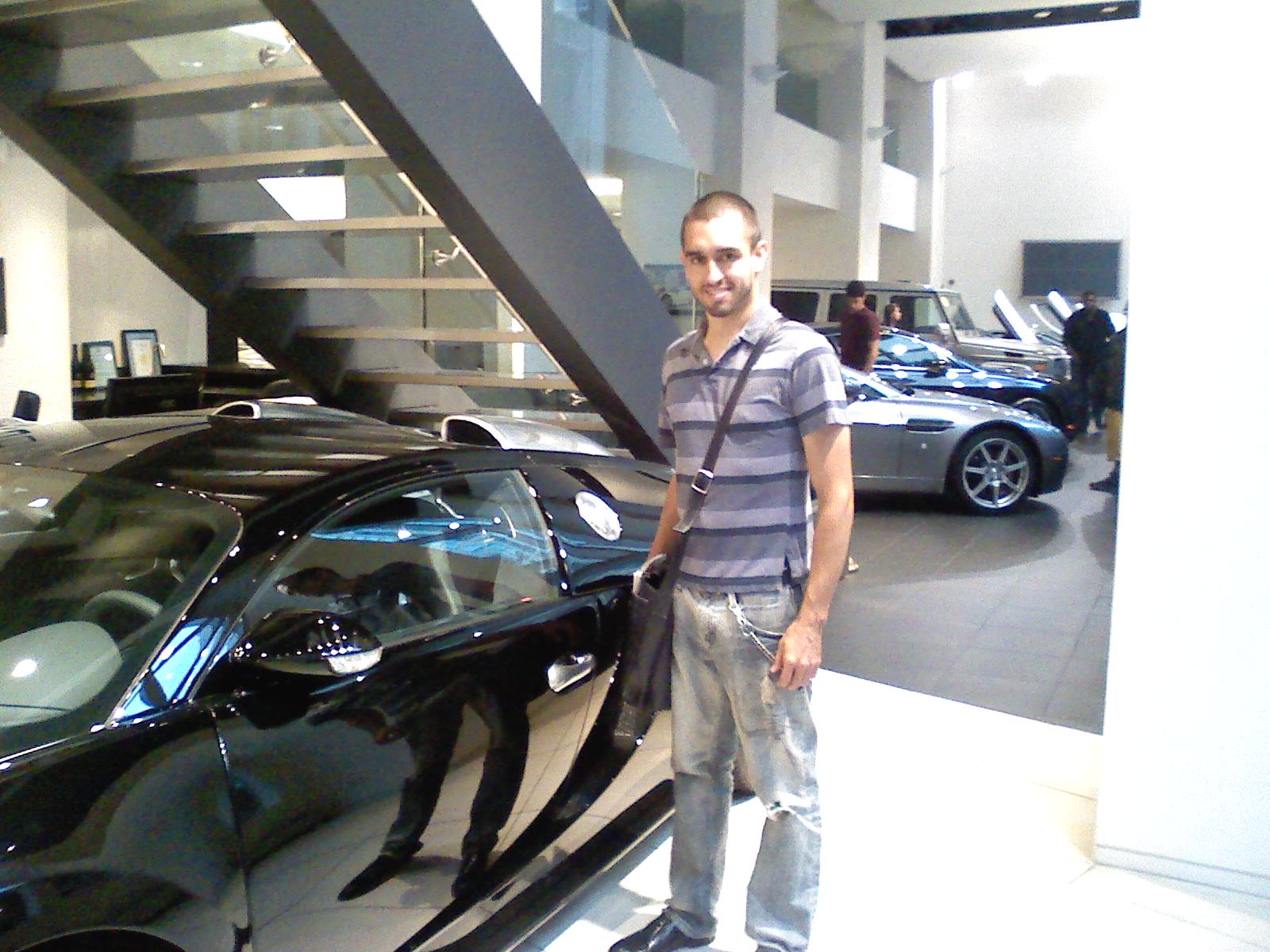
Me standing next to a Bugatti 16:4 Veyron at Gold Coast Bentley, a few blocks from my house (Rush and Pearson, Chicago). Top speed: 253 mph. Cost: originally about a million, I heard. It’s probably around $2 million now. (Photo by my mom, I think)

This article is about the fastest production car in the world, the Bugatti Veyron. The Times reviewed it because they’re releasing a topless version soon to compliment the coupe (next to which I’m standing, above).

I’m sharing not only because I followed the Veyron’s development in middle school, but because of the writing. This writer, Lawrence Ulrich, knew his audience: people who aren’t gonna buy this car. He makes them feel good inside, like, it’s OK you don’t buy this car… or even any other supercar with one-eighth this $2.1 million price tag.

He didn’t diss capitalism, or engineering, but he didn’t hawk consumerism either, which is what most car writers do. In fact he checked it. Good job, Mr. Ulrich.

(And thanks for putting in the green-car plugs. You know where the world’s going.)